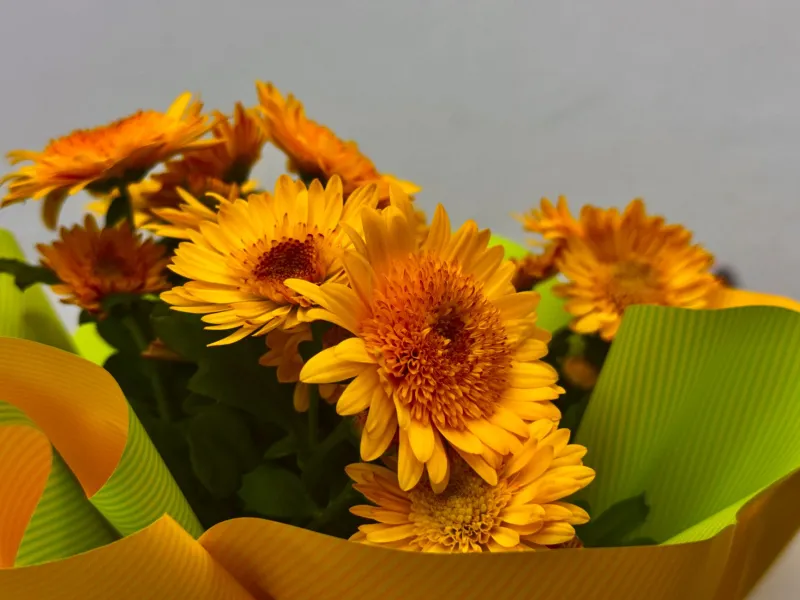
A Bunch Divided: The Quiet Joy of Winter Doorstep Posies
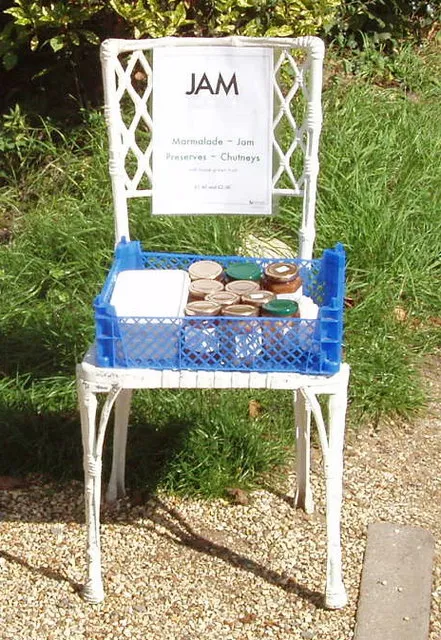
Photo: David Hawgood, CC BY-SA 2.0, via Wikimedia Commons
There is a particular kind of November light that makes a single grand bouquet look a bit shouty. The days are short, the pavements are damp, and most of us are more in the market for a small, steady warmth than a theatrical arrangement. That is where the divided bunch comes in. Buy one generous market bundle — the kind that fills both arms — and you have the makings of a street’s worth of winter cheer, delivered in jam jars.
This is not about turning yourself into a florist. It is about recognising that a few stems on a doorstep can do something a bigger bouquet cannot: it arrives without ceremony, asks for nothing, and fits into the corner of a life. A tussie-mussie, after all, was never meant to be enormous. Small is the point.
Why small shared stems beat one grand gesture
A large bouquet is lovely, but it can come with a quiet pressure. Where do you put it? Do you need to photograph it? Is a thank-you note now due? A jam-jar posy sidesteps most of that. It sits on a windowsill, a bathroom shelf or beside a kettle. It lasts a week if you are lucky and a fortnight if you are kind to it. And because it is modest, it feels like a thought rather than an event.
In winter, this matters more. People are indoors, curtains are drawn earlier, and the doorstep becomes a little stage for small kindnesses. A posy left for a neighbour who has been unwell, a carer who always stops for a chat, or a household that has had a rough few months says something without demanding a reply. The message is simple: I noticed. Here is a bit of colour.
Choosing the right bunch to divide
Start with a market bunch that has plenty of stems and a bit of structure. You want a mix of focal flowers, smaller filler blooms and at least one or two generous foliage stems. British-grown where you can — chrysanthemums, late asters, alstroemeria, skimmia, ivy, rosemary, winter jasmine, eucalyptus and hellebores all earn their place. Scent is a bonus, especially on a cold doorstep where people are not lingering.
Avoid anything too fragile or too open. A jam jar is a small vessel, and a blowsy bloom that sheds petals by lunchtime will not travel well. Look for buds that are just cracking open, sturdy stems and leaves that look perky rather than tired. If the bunch is wrapped in plastic, take it off as soon as you get home. Flowers breathe, and so do you.
Conditioning, jar by jar
Conditioning is the unglamorous bit that makes the whole thing work. Fill a clean bucket with cool water, strip every leaf that would sit below the waterline, and cut each stem at an angle with a sharp knife or snips. Leave the bunch to drink for a few hours in a cool room — not a radiator, not a sunny windowsill. This is the difference between a posy that lasts three days and one that lasts a week.
While the stems drink, sort your jars. Jam jars are perfect, but so are small Kilner jars, mustard jars and those little glass pots that once held yoghurt. Wash them properly, remove the labels, and rinse away any soap residue. You do not need ribbon, but a narrow strip of cotton or a bit of garden twine tied around the neck makes a jar feel deliberate rather than repurposed. If you are giving anonymously, keep the decoration simple. The point is the flowers, not the wrapping.
Building a posy that survives a British doorstep
A good jam-jar posy has three or four stems and one strong leaf. Aim for an odd number, vary the heights, and let one flower be the star. A single chrysanthemum with a sprig of rosemary and a twist of ivy can look more considered than a jam-packed jar. Do not overfill. Crowded stems bruise each other, and a tight bunch is harder to keep hydrated.
Winter-proofing is mostly common sense. Deliver in daylight if you can. Keep the jars in a crate lined with a damp cloth while you walk, and avoid leaving them in a frost pocket or directly against a cold wall. A sheltered porch, a windowsill or a doorstep that gets a little morning sun is ideal. If the forecast is for a hard frost, add a note asking the recipient to bring the jar in when they spot it. A small posy is hardy, but it is not invincible.
Notes, anonymity and the etiquette of giving
A note should be short. ‘Thought of you — no need to reply’ is often enough. If you are giving anonymously, resist the urge to hover. Leave the jar, walk away, and let the gesture be a surprise rather than a transaction. Do not sign it if you would rather not, but do include a line that makes clear no thank-you is expected. Anonymous giving works best when it is warm, not mysterious for the sake of it.
For carers, neighbours and anyone who might be at work, a note through the door works better than a jar left in full sun. If you are delivering to a care home or a clinic, check first whether flowers are allowed and leave them at reception rather than on a ward. Kindness still needs manners.
The street as a loose bouquet
By the time you have divided one bunch into eight or ten jars, something odd happens. The street starts to look like a loose, sprawling arrangement — a bit of colour here, a bit of scent there, a windowsill you never noticed before. Nobody has to coordinate it. It is just a series of small, hand-tied gestures moving outward from your kitchen table.
That is the quiet joy of the divided bunch. It is not about making a fuss. It is about taking one generous armful of British stems and letting it travel a little further than usual. In November and December, when the light is thin and the doorsteps are cold, that feels like exactly the right kind of floristry: small, seasonal and shared.