Between the Broad Beans: A Cut-Flower Patch That Earns Its Keep

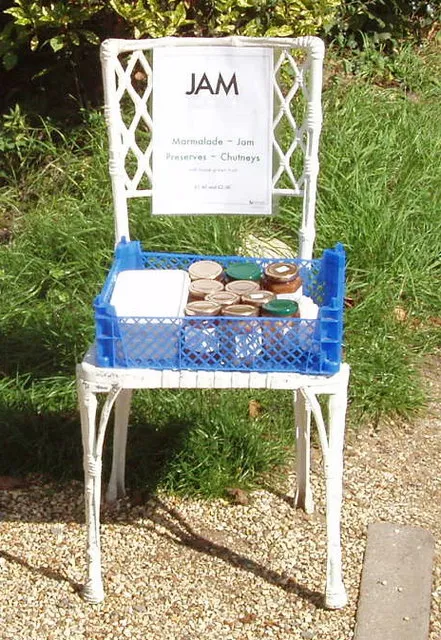
Photo: John Slater , CC BY-SA 2.0, via Wikimedia Commons
On an allotment, flowers can feel like a luxury. There is always a row of something useful to weed, a crop to net, a neighbour to chat to over the fence. But a small cutting patch does not have to be a separate, precious border. Tucked between the broad beans and the compost heap, a few generous rows of annuals can earn their keep: feeding pollinators, filling gaps, and sending you home with a bunch that smells of sunshine and soil.
That is the allotment bouquet we love at Tussie Mussie Flowers. It is not floristry-school perfect. It is a handful of stems, cut with care, conditioned in a bucket and tied with twine at the kitchen table. And because it came from your own plot, it carries a story no shop-bought bunch can match.
Start with a row that pays rent
The first rule of growing flowers on a veg plot is to choose plants that do more than one job. Calendula, nasturtium and borage are good examples: they bring in pollinators, some are edible, and they give you stems for the vase. Sweet peas climb up a wigwam and scent the whole plot. Cornflowers and cosmos fill gaps while slower crops establish. None of them need a dedicated cutting garden; they just need a little space and regular picking.
Think in successions, too. Sow a short row of cornflowers in April, another in May, and you will have stems for weeks rather than one frantic flush. Autumn-sown sweet peas can give you early stems the following summer, provided you have a sheltered spot or a cold frame. On an allotment, a little planning goes a long way.
Varieties that earn their space
If you want a bouquet that feels like a British summer, start with the reliable cut-and-come-again sorts. Sweet peas are top of the list for scent. Pick them often and they will keep flowering; let a single pod set seed and the plant seems to down tools. Cornflowers are generous and blue, and they look wonderful with calendula and a little mint. Cosmos is airy and romantic, especially the white and soft pink forms, and it keeps going into autumn if you deadhead. Dahlias are the late-summer stars, though they need a little more room and a frost-free spot over winter in colder parts.
For foliage, look to the herb bed and the hedgerow. Apple mint, rosemary, bronze fennel, and the first soft shoots of flowering currant all make a bouquet feel fuller without fuss. A few seed heads, if they are still standing, add texture. The allotment bouquet is not about a single showstopper; it is about the mix.
Cutting with a florist's eye
Cut in the cool of the morning, if you can, with a sharp pair of snips and a clean bucket of water. Take stems above a leaf node so the plant can push out new growth, and never strip a plant bare. A third of the stems is plenty. For sweet peas, pick the flowers before they set seed. For calendula, deadhead as you go. For cosmos, pinch out the tips early to encourage branching.
It helps to carry a bucket around the plot rather than a trug. Stems that go straight into water are stems that last. If you are cutting a mixed bunch, put the thirstiest stems in first and keep the bucket in the shade while you finish your rounds.
Conditioning, the quiet part
Back at the shed or kitchen sink, strip the lower leaves so none sit below the waterline. Re-cut each stem at an angle and leave the bunch to drink in cool water for a few hours, ideally somewhere shaded. Sweet peas are thirsty and will reward a deep bucket. Dahlias can be hollow-stemmed, so give them plenty of water and change it often. Keep flowers away from the fruit bowl, as ripening fruit gives off ethylene that shortens vase life.
This is the unglamorous part of the allotment bouquet, but it is the difference between a bunch that flops by teatime and one that lasts the week.
Tying it together
When the stems are conditioned, make a spiral bunch. Hold the first stem in one hand and add others around it at an angle, turning as you go. A small posy, no wider than your hand, is easier to manage than a huge armful, and it feels properly romantic. Bind the stems with twine, trim the ends level, and wrap in brown paper if you are giving it away.
As we head into mid-November, the plot becomes a different kind of place. A few late chrysanthemums, the last calendula, some evergreen foliage and a handful of seed heads can still make a posy that feels deliberate. It is a reminder that flowers do not need a dedicated border to be generous. They just need a little room, a little care, and someone to carry them home.