Fragrance First: British Cut Flowers Worth Choosing for Scent Alone
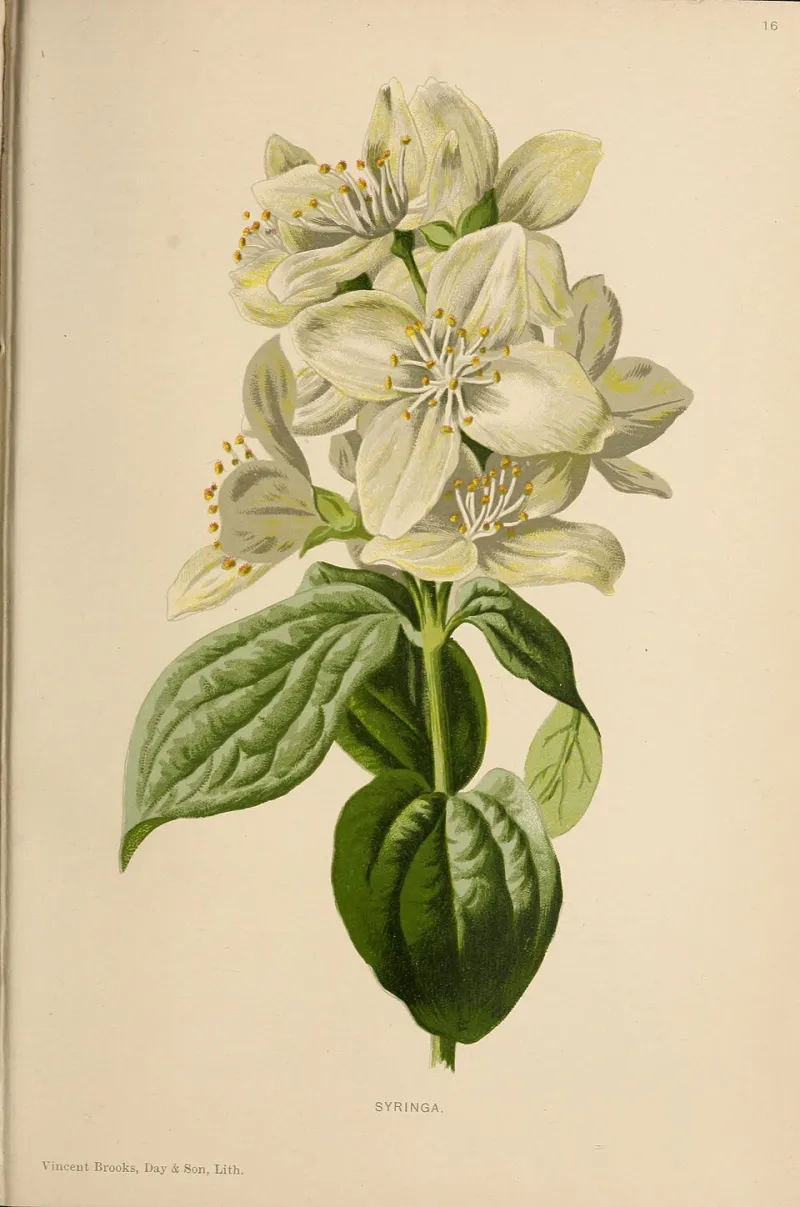
Photo: Internet Archive Book Images, No restrictions, via Wikimedia Commons
Walk into a room with a scented bouquet and you know before you look. Scent is the thing we remember about a garden, and yet it is often the first thing sacrificed in modern floristry. At Tussie Mussie Flowers, we think a bouquet should be more than a photograph waiting to happen. It should change the air around it. These are the six British-grown flowers we reach for when scent matters, plus a few honest notes on what is available in 2026 and how to layer fragrance without turning a room into a perfumery.
Why scent got left behind
Most supermarket and imported flowers are bred for travel, uniformity and vase life. Scent is volatile; it takes energy for a plant to make it, and it does not survive a long cold chain especially well. British growers, cutting closer to home and often selling within days, can keep more of that fragile quality. In 2026 we are seeing more UK growers using unheated polytunnels and field-scale planting to bring scented varieties back into reach, though weather still writes the timetable. A cold spring can push sweet peas back; a hot July can shorten stocks. Ask what is genuinely British and scented this week rather than assuming a variety is available because it appears in a catalogue.
Six British blooms for a fragrant room
1. Sweet peas, June to early September
Old-fashioned varieties such as Matucana and Painted Lady have a honeyed, orange-blossom scent that carries further than their delicate looks suggest. They need cool water and a cool room; heat shortens their life fast. Use them as the airy top note in a hand-tied bunch.
2. Garden roses, June to October
Not every rose is scented, and not every scented rose is a good cut flower. Look for old shrub roses and ask for varieties grown for fragrance rather than shipping. The scent can change through the day. British field-grown roses in 2026 will depend on the wet spring in some areas, so expect gaps.
3. Stocks, May to October under cover
Stocks have a spicy, clove-like scent that is almost old-fashioned in the best way. One or two stems go a long way. They are grown under cover by British growers in places such as Cornwall and Lincolnshire, but availability can be patchy in high summer.
4. Lavender, July to August
British lavender farms give us a short, intense season. The scent is calming and clean. Keep stems cool and do not crush the flowers; the fragrance should come to you.
5. Pinks, June to September
Dianthus have a clove-sweet, peppery scent and a long vase life. They are excellent for smaller posies where you want fragrance without a huge arrangement.
6. Scented narcissi, February to April
Spring narcissi such as Actaea and Pheasant's Eye are sweet, green and slightly musky. Condition them separately for a few hours because their sap can affect other stems. They are the flower to plan for when the year is still cold.
Layering scent without a headache
Two or three scented flowers is usually enough. Choose one loud voice, such as stocks, and one quieter one, such as pinks, then let unscented foliage do the buffer work. Avoid mixing lavender, stocks, roses and sweet peas all at once. Keep the bouquet away from food, radiators and direct sun. Trim stems, use tepid water and change it every couple of days. Scent is strongest in the first day or two, so if you are giving the bouquet, hand it over close to the event. A simple jute or cotton ribbon keeps the focus on the flowers.
Buying British in 2026
British Flowers Week in June is a good moment to look, but do not wait for it if you need scent now. Grower-florists and local markets are often the best source. Be flexible: if the sweet peas are not ready, a scented rose or a bunch of pinks may be better than an imported substitute that looks the part and smells of nothing. If you are ordering ahead, tell your florist the room, the occasion and how strong you want the fragrance to be.
A scented bouquet is a small piece of theatre. It arrives before you see it and stays after the flowers have gone. Choose stems you would recognise blindfolded, and let them do the talking.