Sorry, Said With Stems: A Florist's Guide to the Apology Bouquet

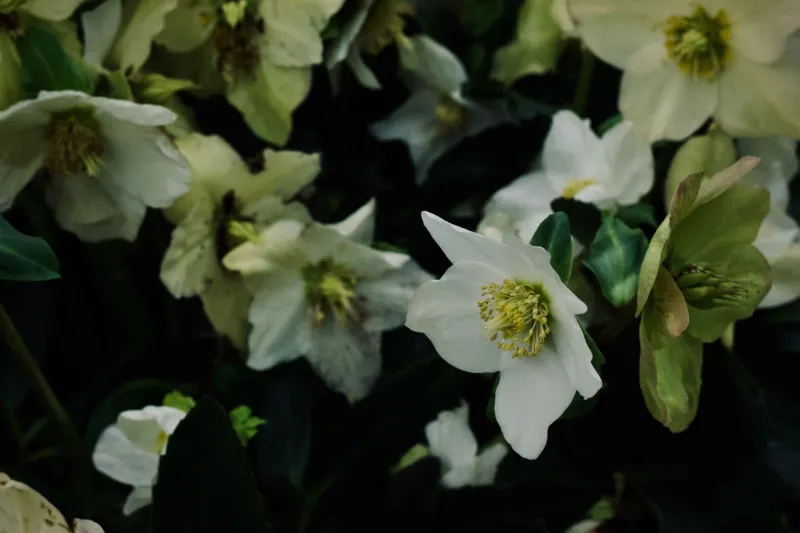
Photo: Jeevitha Madhaiyan, CC BY-SA 4.0, via Wikimedia Commons
Apology flowers have a bad reputation, and sometimes they deserve it. A rushed bunch of forecourt roses cannot undo a forgotten birthday or a sharp word. But the right bouquet, sent with a clear message at the right moment, can do something more modest and more useful: it can open a door. At Tussie Mussie Flowers we have made enough of these to know that the flowers matter, but the thinking behind them matters more.
First, be realistic
Flowers cannot fix everything. If someone has asked for space, respect it. If the argument was serious, a bouquet is not a substitute for a proper conversation. What flowers can do is signal that you have stopped, thought about the other person and want to begin again. That is why the apology bouquet should feel personal rather than expensive.
Colour choices that say sorry without shouting
Soft pink, white, cream and green are the safest ground. They read as gentle and sincere. Pale blue can work if you know the recipient likes it. Red roses are loaded; if the relationship is romantic and you mean it, they can be right, but they can also feel like pressure. Bright yellow is cheerful but can read as friendship or even a brush-off in the wrong context. Avoid a bouquet that looks like a funeral tribute unless the apology is connected to a bereavement.
Flowers with something to say
White roses are the classic for sincerity. Pink roses suggest grace and gratitude. Lavender is calming, though not everyone loves the scent. Rosemary has a long association with remembrance and loyalty. Forget-me-nots are small but pointed. A few British seasonal stems, chosen with the recipient's taste in mind, will always beat a generic mixed bunch. If they have cats, skip lilies. If they hate strong scent, choose unscented flowers.
The card is the point
Keep it short, specific and free of excuses. 'I am sorry I missed your call on Tuesday. I should have been there. I hope these brighten your kitchen.' That is better than a paragraph of explanation. Avoid 'I am sorry if', 'I am sorry but' and 'I am sorry you feel that way'. Do not make the recipient do the emotional work. Sign it clearly. If you are sending through a florist, check the message spelling and make sure the card is not left blank by accident.
Timing and UK delivery
For an apology, speed usually helps, but so does reliability. Use a florist who delivers by hand rather than a courier network that may leave the box on a doorstep. In the UK, many shops have same-day cut-offs around early afternoon; Sunday and bank holiday delivery is limited. If the recipient is at work, check they will be comfortable receiving flowers there. If they are in hospital, check ward restrictions. Avoid asking for a safe place in cold or wet weather. A phone number for the recipient can help the florist sort out access.
Do's and don'ts from the workbench
Do send one good bouquet rather than three cheap ones. Do include a vase if they may not have one. Do consider allergies, pets and scent. Do follow up with a call or message after delivery, but do not demand a reply. Don't use flowers as a substitute for an apology you have not made. Don't send a bouquet that looks like a sympathy arrangement. Don't order at the last minute and expect perfection. Don't choose a scent you love if you know they dislike it.
When you are not sure
Call the florist. Tell them the situation, your budget and what you would say if you were braver. A good florist will not judge; they will help you choose something that fits. Sometimes a small posy is better than a grand gesture. Sometimes the right answer is to wait a day. The apology bouquet is not a magic trick. It is a door left open.