What to Write When the Flowers Do the Talking
Photo: Unknown, CC0, via Wikimedia Commons
Most people think the flowers arrive first. In practice, the card is often the first thing read properly — after the door is closed, the paper is peeled back, and someone sits down with a cup of tea. It is a small piece of writing with a lot of work to do. At Tussie Mussie Flowers, we have seen a three-line note rescue a late apology and a six-line note flatten a perfectly good birthday. The bouquet sets the scene; the card tells the story.
Start with the stems, not the sentiment
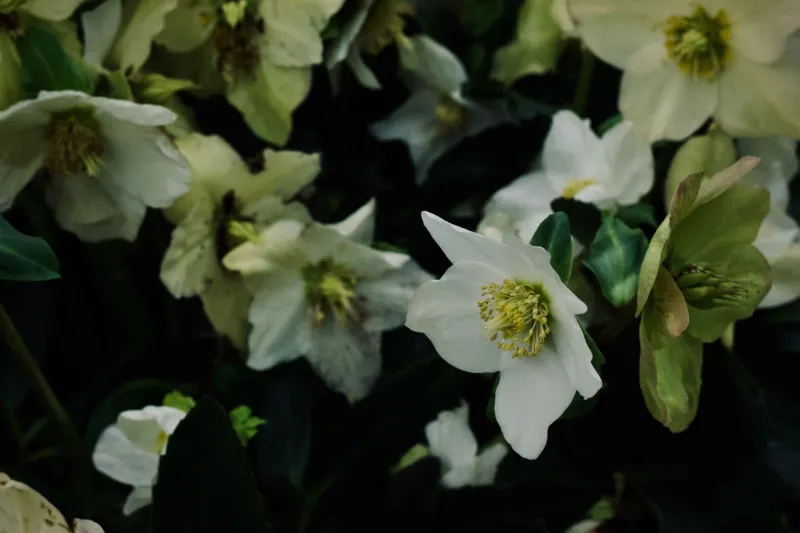
A hand-tied bouquet is already saying something before you pick up a pen. Sweet peas suggest old-fashioned affection and a bit of garden nostalgia. Rosemary belongs with remembrance, not just roast lamb. Lavender is calm and steady. Daffodils feel like a fresh start, even in February. Hellebores are quiet, wintery and a little bit mysterious. If the flowers have a mood, the note should match it rather than fight it.
This is why we ask what the bouquet is for before we ask what you want to say. A card that reads “Happy birthday, have a wonderful day” beside a scented bunch of stocks is fine. A card that reads “Happy birthday — I chose stocks because they remind me of the garden at Nan’s” is the one that gets kept in a drawer.
Four occasions, four notes
An apology needs to be specific and short. Avoid “sorry if” and avoid turning the card into a second argument. Try: “I’m sorry about Saturday. These are for the bit I got wrong. No pressure to reply — I just wanted you to have something lovely today.” If the flowers are doing the apologising, let them. A bouquet cannot undo a row, but it can show that you have stopped to think.
A birthday note should sound like a person, not a greetings card. Try: “Happy birthday. I chose the peonies because you once told me they were the only flower worth waiting for.” Or, if you are close enough to tease: “Happy birthday. I asked for the most scented thing in the shop. It was this or a very expensive candle.”
For a new home, keep it warm and practical. “For the first morning in the new place. I hope the kettle works and the neighbours are kind.” If you know the person is moving alone, add something small: “This is for the kitchen table until you find the right one.”
Quiet declarations are the hardest. Do not over-write them. Try: “I have been meaning to tell you that I like you. These felt like a better way to start than a text.” Or: “No big speech. I just wanted you to know I am glad you are in my life.” The flowers can carry the romance; the card only needs to be honest.
The clichés to leave in the drawer
Some phrases have been pressed into service so many times that they no longer mean much. “Just because” is not a reason. “You deserve it” sounds like a supermarket slogan. “Roses are red” has had its day. “To the best mum in the world” is lovely if you are eight, but most adults would rather have one true detail than a superlative.
The same goes for florist-speak. “With love and best wishes” is not wrong, but it is the card equivalent of beige ribbon. If you would not say it out loud, do not write it down. A note should feel personal rather than perfumed.
Why a florist-written card should sound like you
We are happy to write the card for you, but we do not want it to sound like us. That is why we ask for prompts rather than scripts. What is your name? What do they call you? Is there one shared detail we can use — a dog, a holiday, a terrible karaoke song, a favourite cake? Do you want the note to be funny, tender, formal or brief? If you are sending the bouquet directly, tell us the exact words you would use. We will keep our handwriting neat and our opinions to ourselves.
A florist-written card should not arrive smelling of potpourri and good manners. It should sound like the person who ordered it. That might mean a slightly awkward joke, a nickname nobody else understands, or a line that is almost too simple. Those are the notes that work.
A last check before the ribbon
Read the card aloud before it goes in the envelope. Would you say it? Have you used the right name? Is there a date on it, if that matters? Have you said the one thing you actually wanted to say? If the answer is yes, stop. A bouquet is not improved by a paragraph. The best cards are the ones that leave a little space for the flowers to speak.